Transform your home with British-made, A-rated frames, 3-star anti-snap security locking, and crisp flush-fit styling. Straight-talking advice, 10-year guarantees, and zero high-pressure sales calls.
Why homeowners across the UK are switching to our UPVC Flush and Stepped Systems.
Your enquiry lands with our team straight away. We review your sizes and choices, and if anything needs clarifying we will get in touch by your preferred method — phone, email or WhatsApp. For most jobs we can provide an indicative price quickly, then confirm the final figure after a free, no-pressure site visit where we take precise measurements and check access, sills, lintels and reveals. There is never any obligation to proceed, and we will not hound you: if the timing is not right, we are happy to leave the quote with you until you are ready.
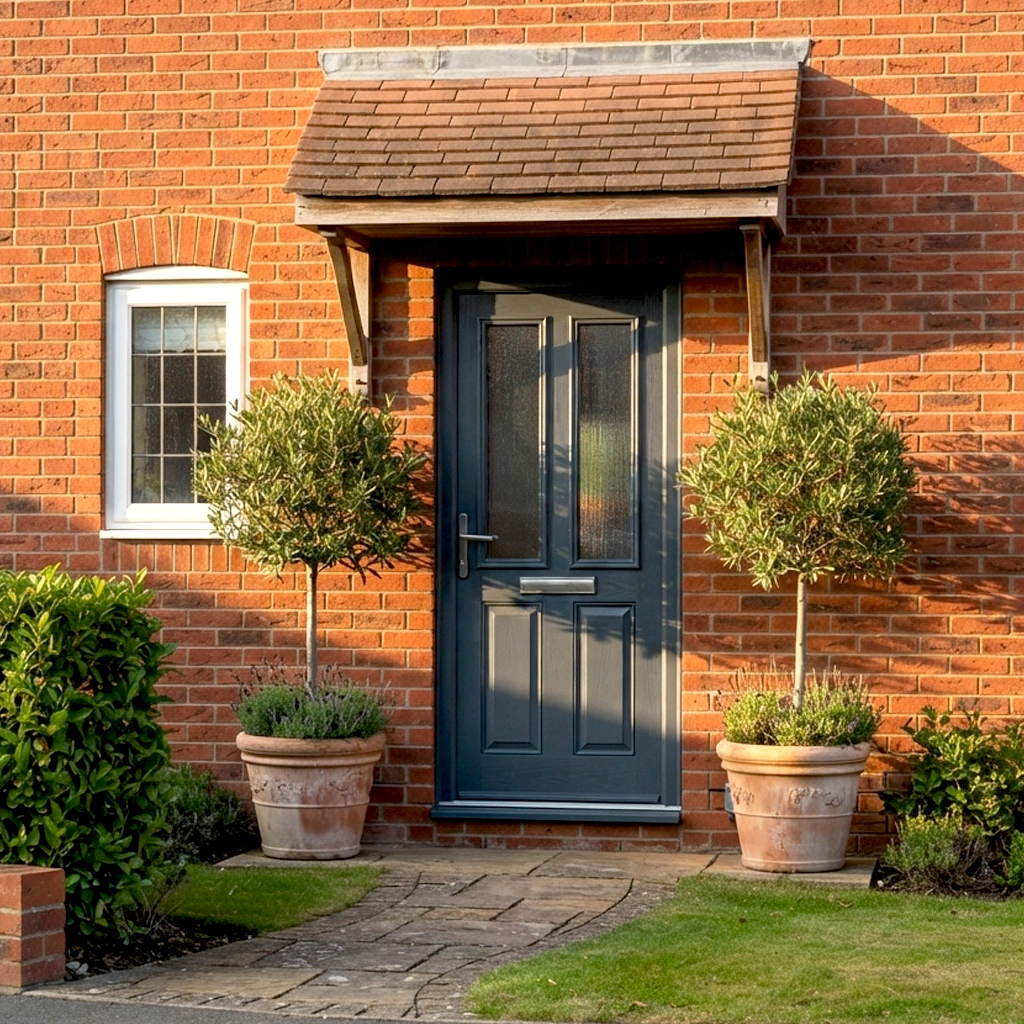
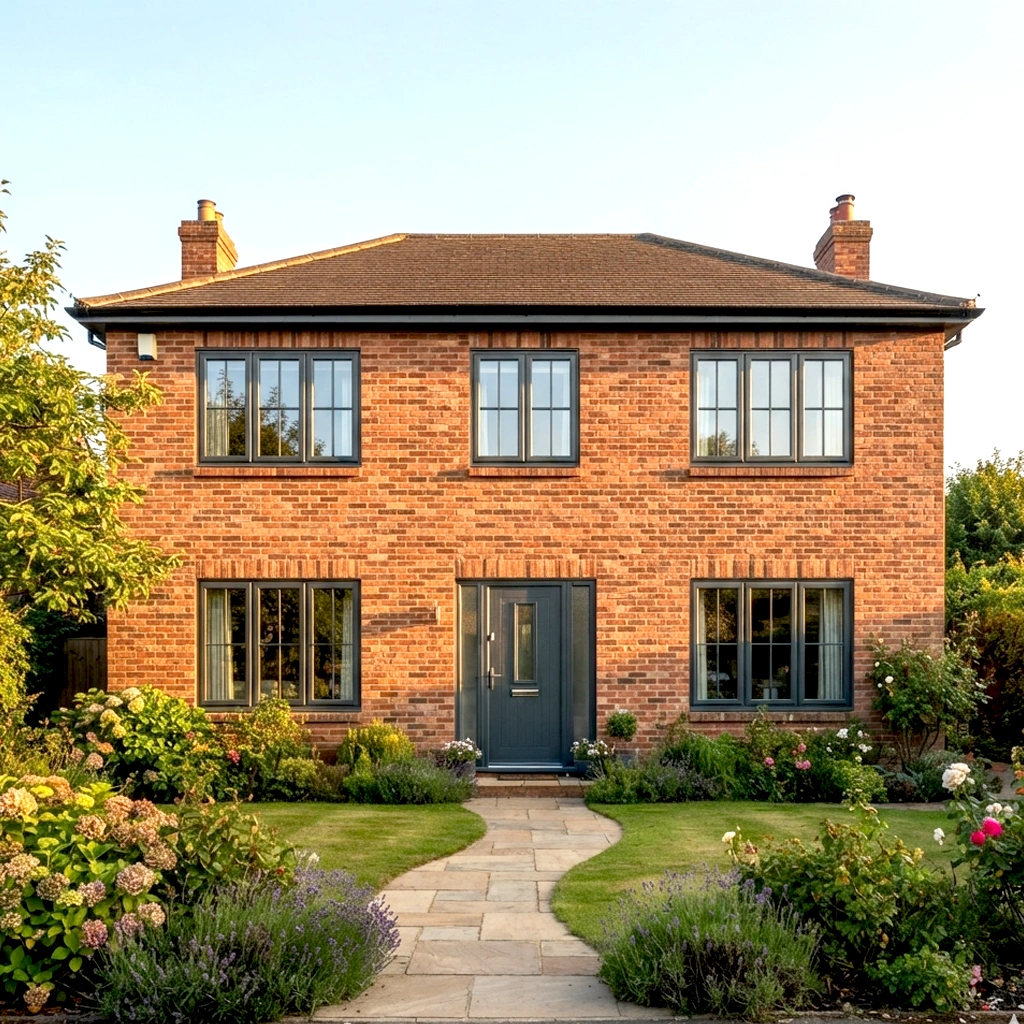
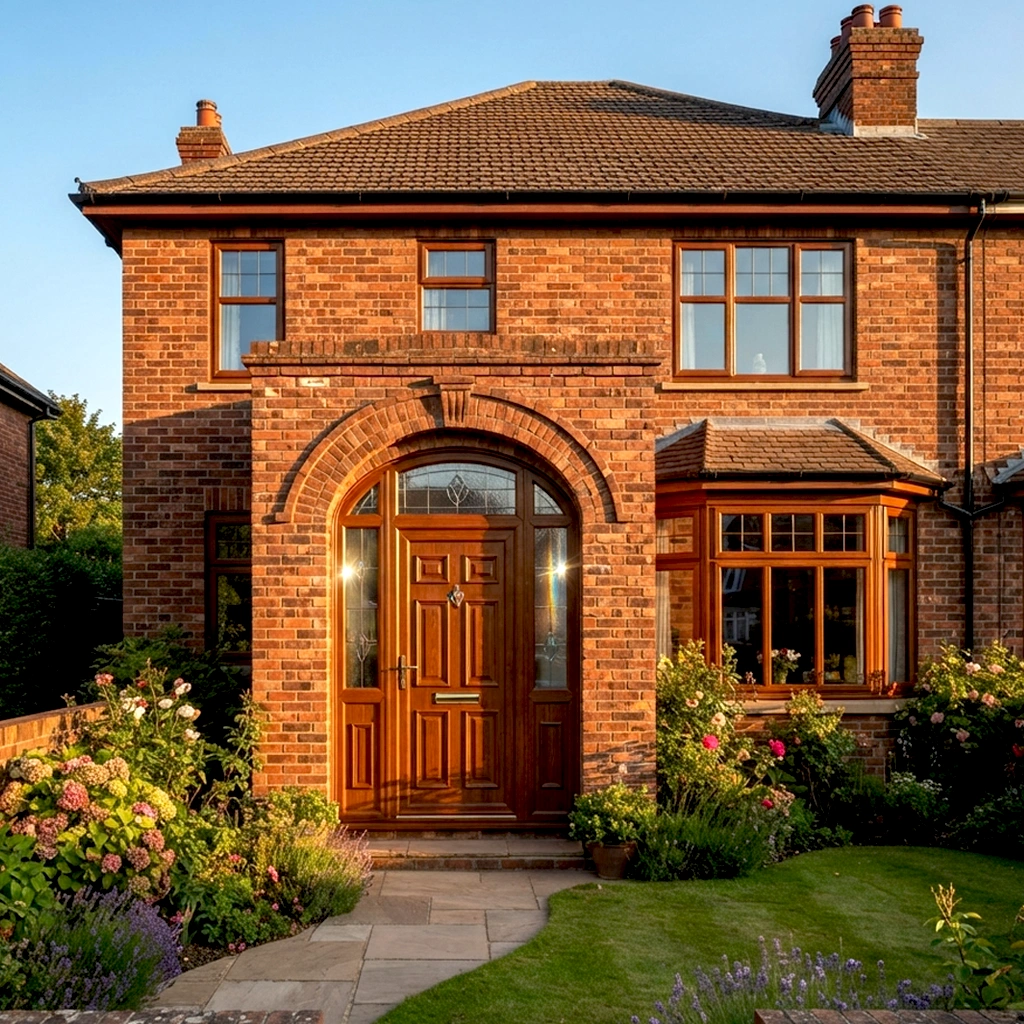
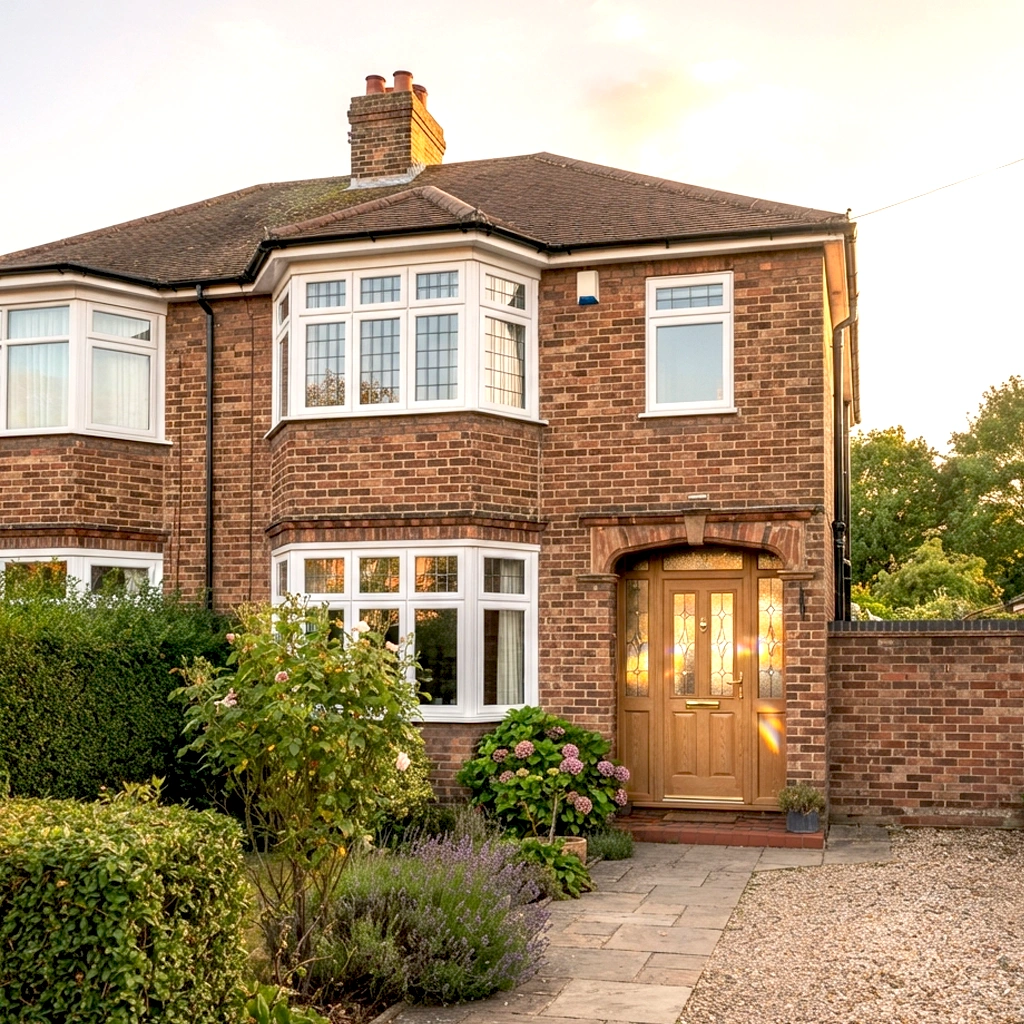
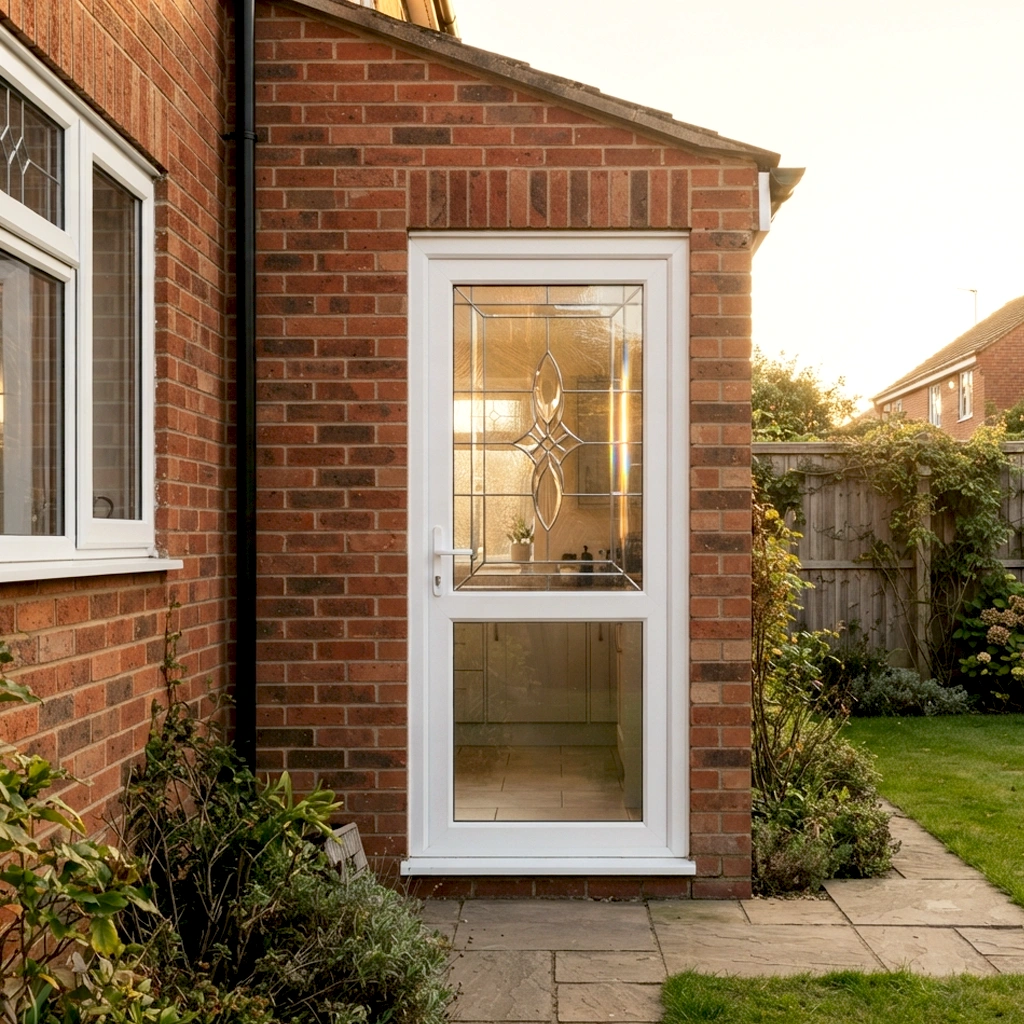
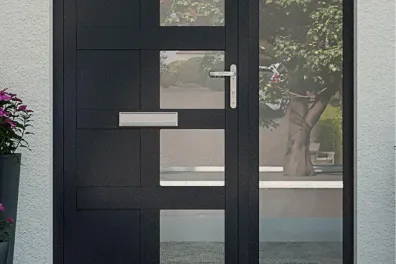
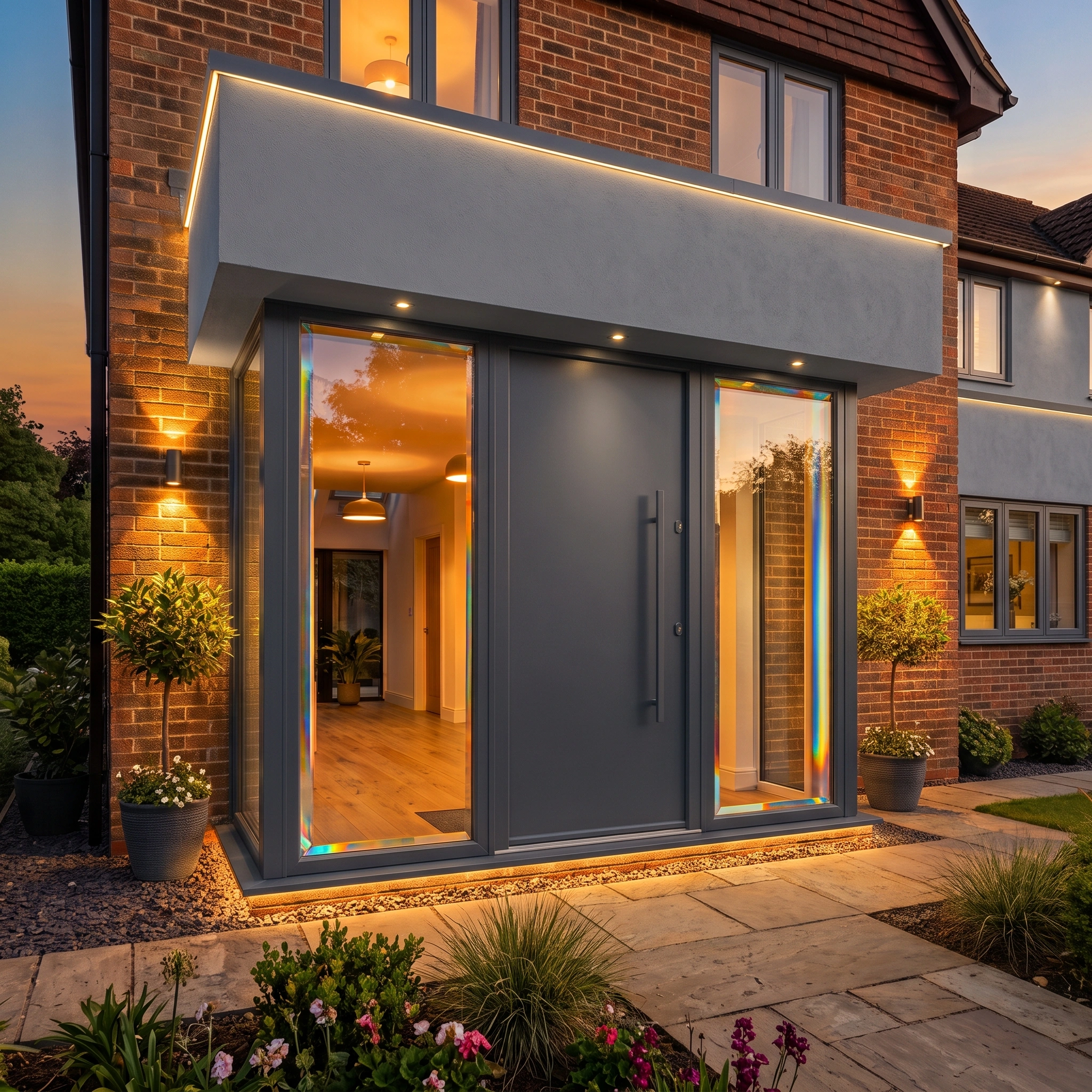
Our residential doors are the confident first impression your home deserves — solid, weather-tight and locked down with anti-snap, multi-point hardware, in finishes from crisp white to rich mahogany.
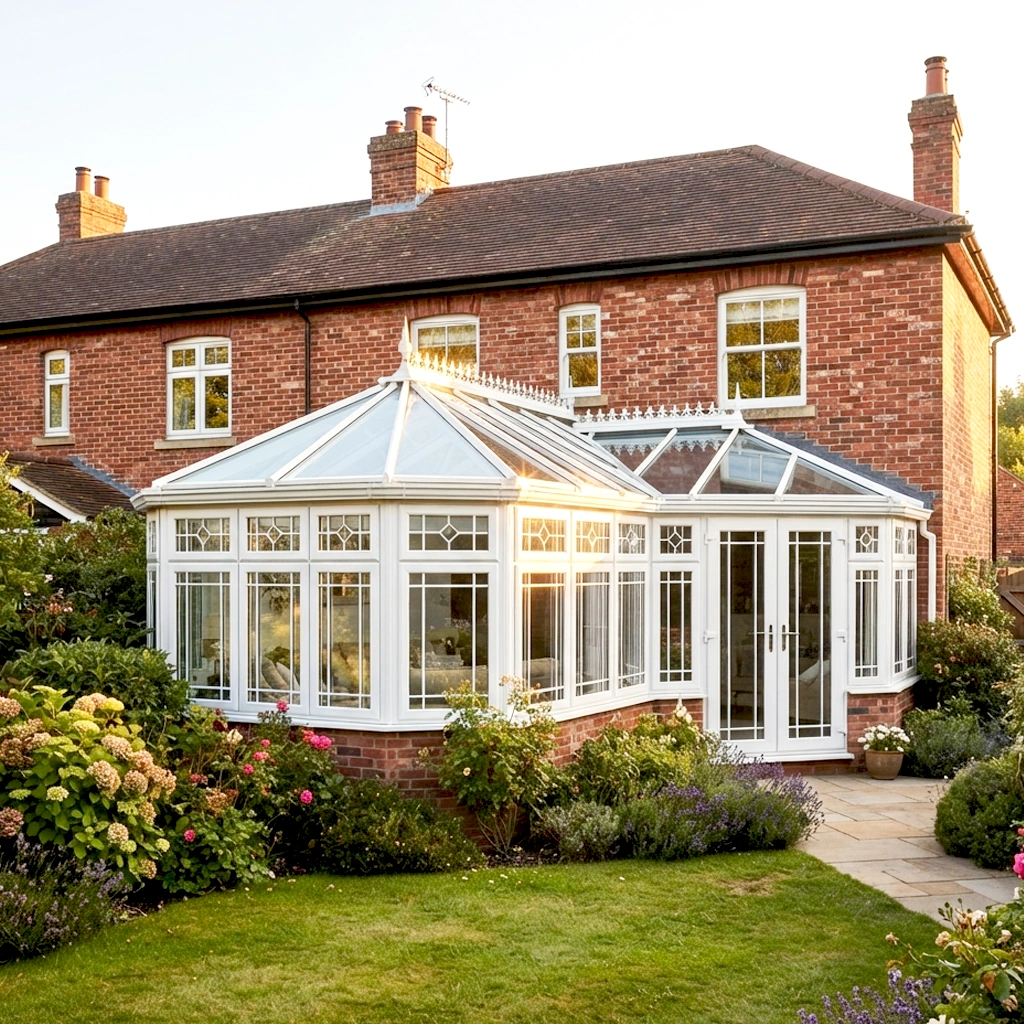
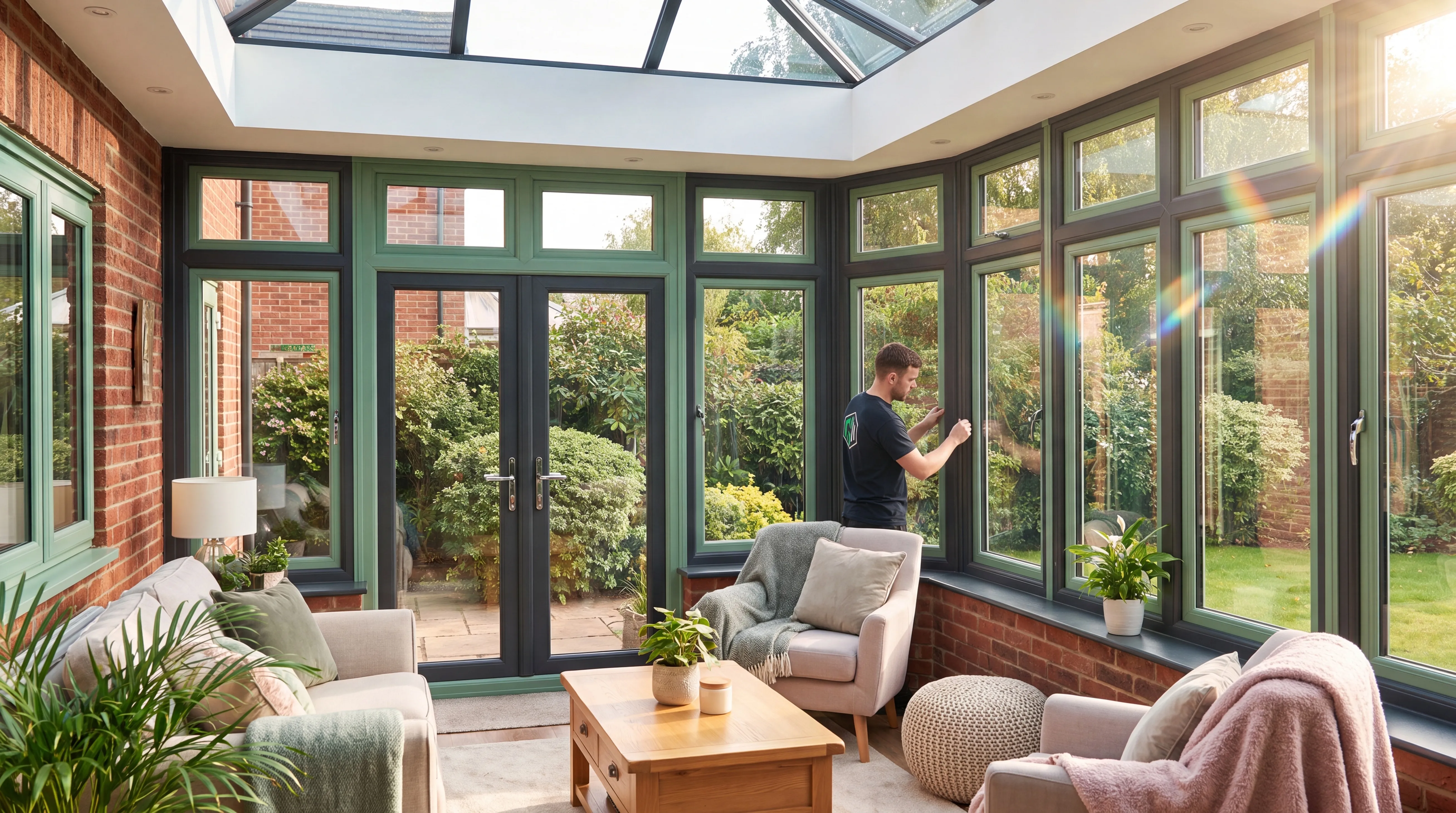
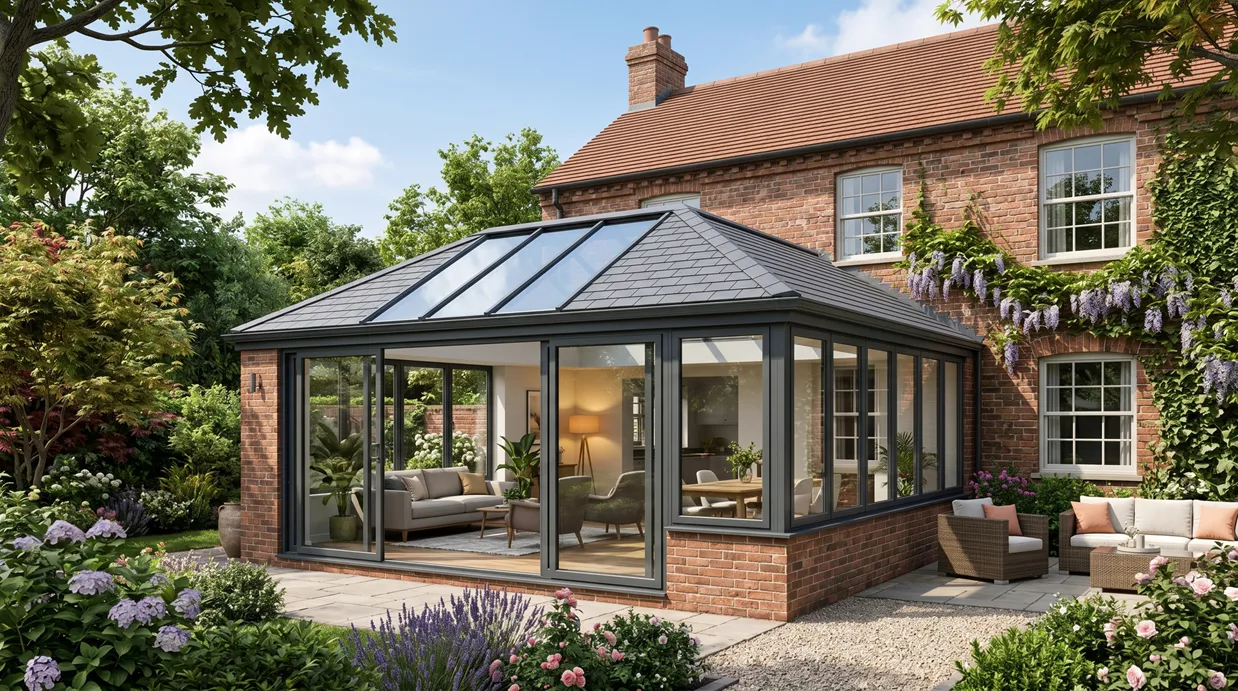
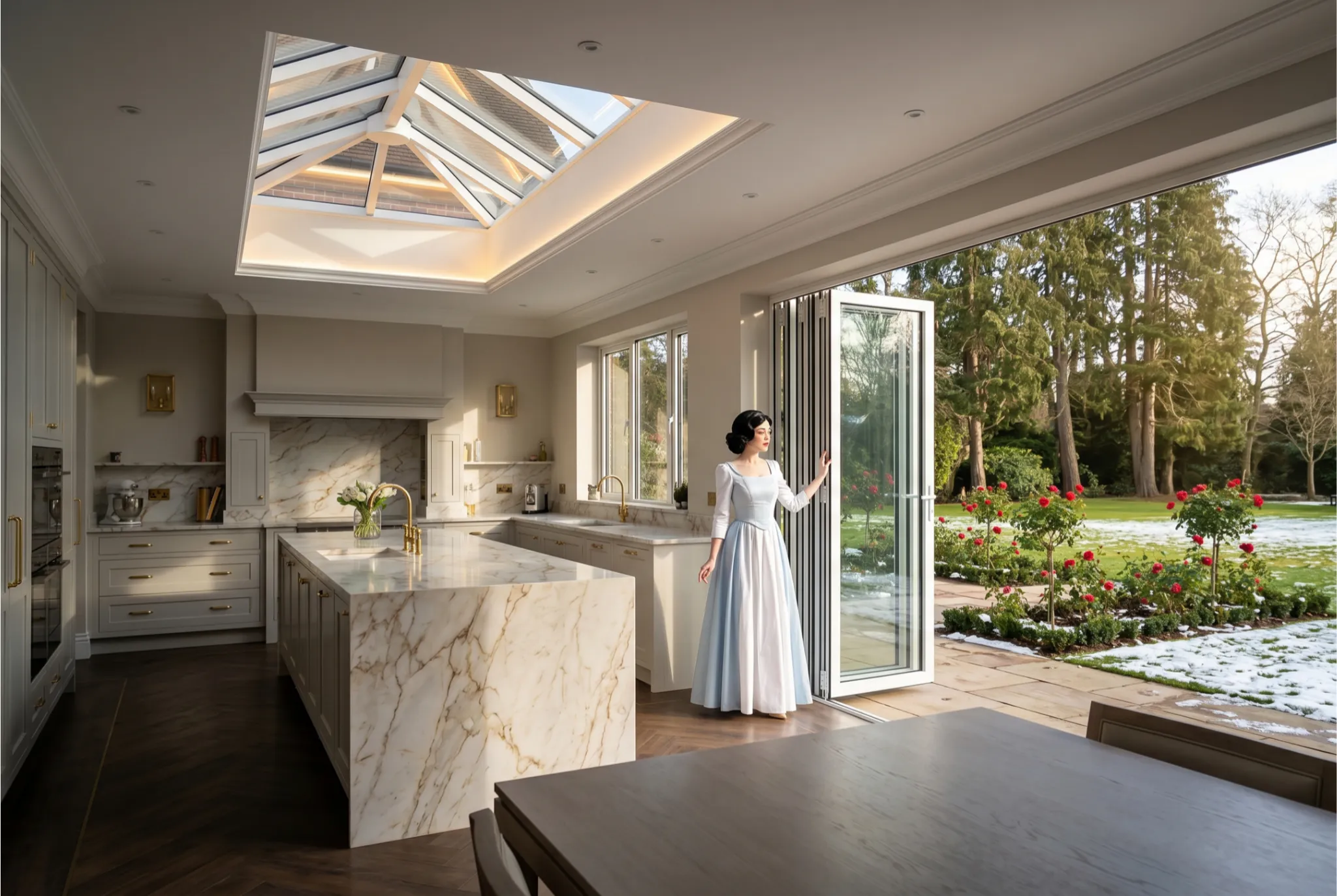
Dreaming of more space? Pair the range with a modern conservatory or a warm replacement roof and turn a chilly add-on into a room you’ll actually use every day of the year.
uPVC costs less up front than aluminium, and aluminium does last longer and gives a more premium look. But once you factor in replacing tired uPVC further down the line, the lifetime cost of ownership evens out — so you can choose the finish that suits your budget today knowing both routes are built to perform. Ready to upgrade? Build your quote below.
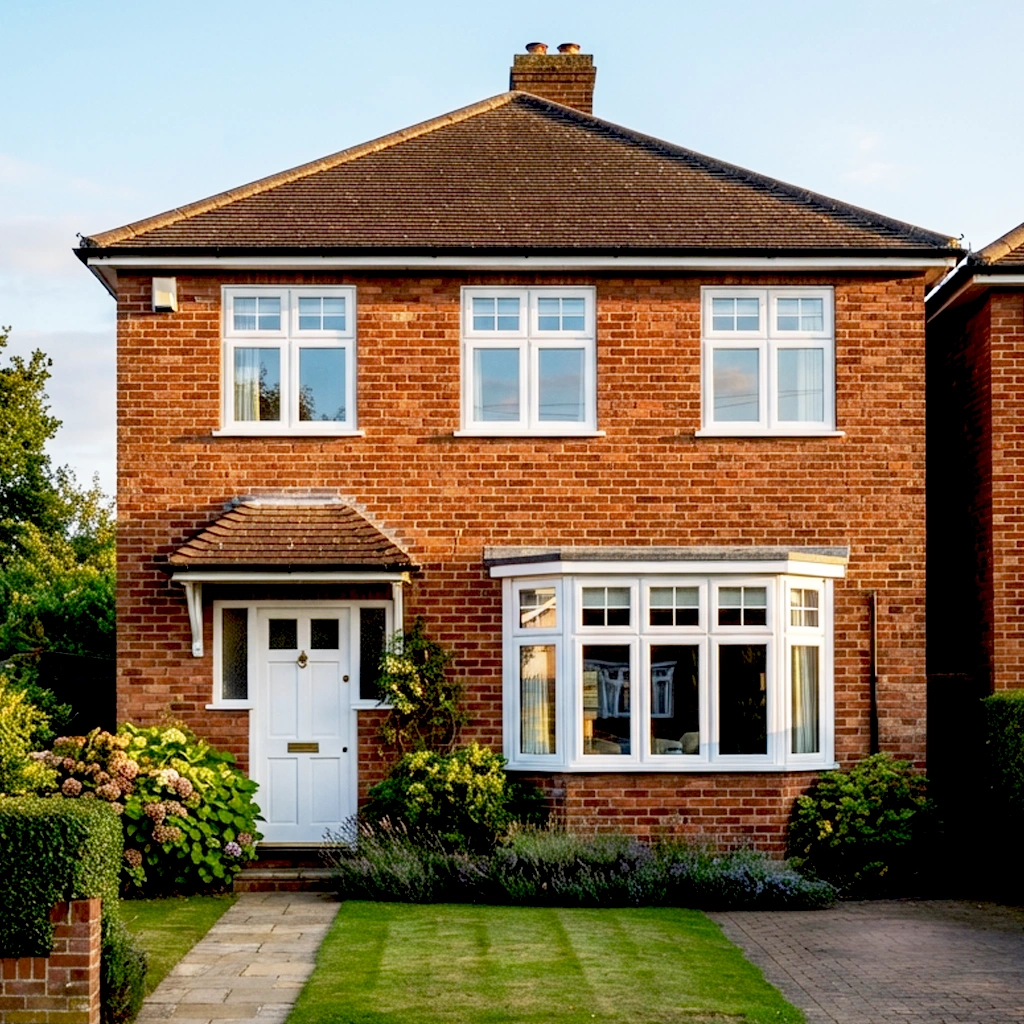
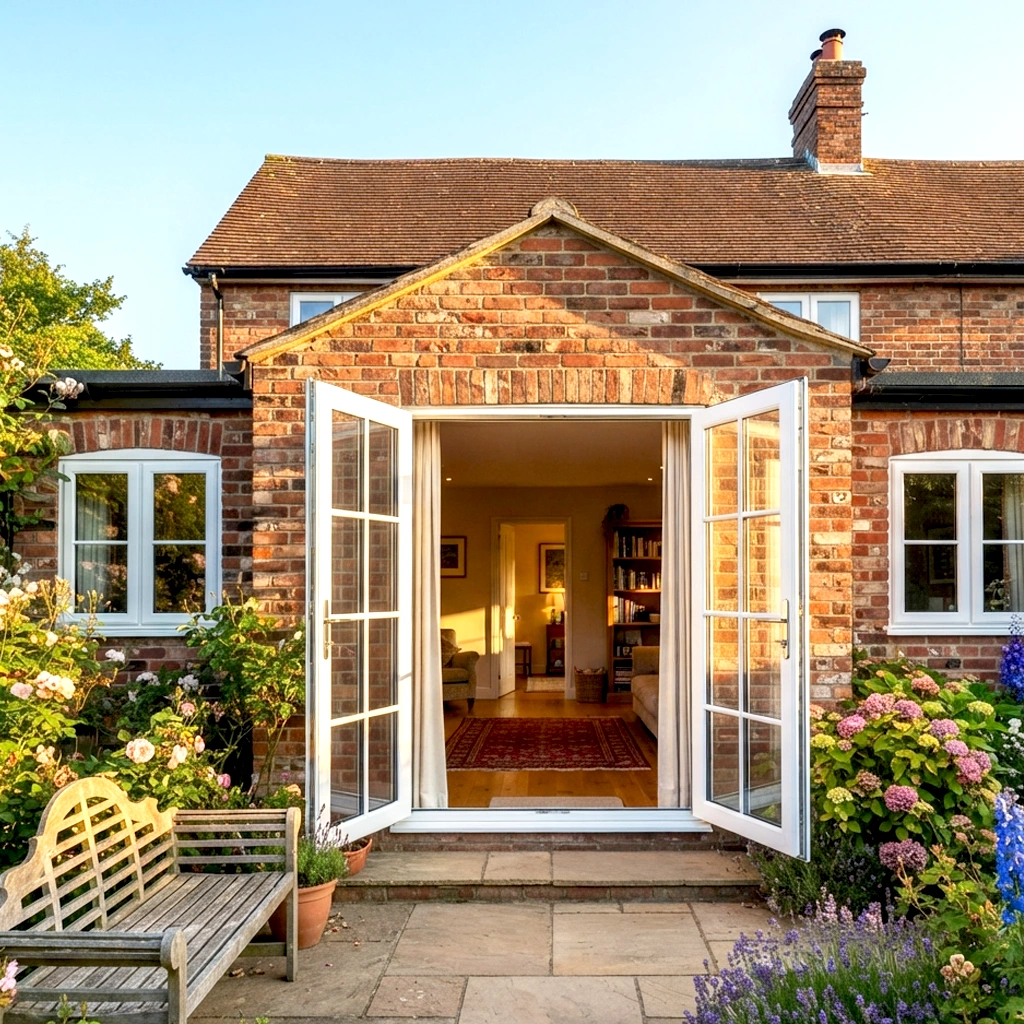
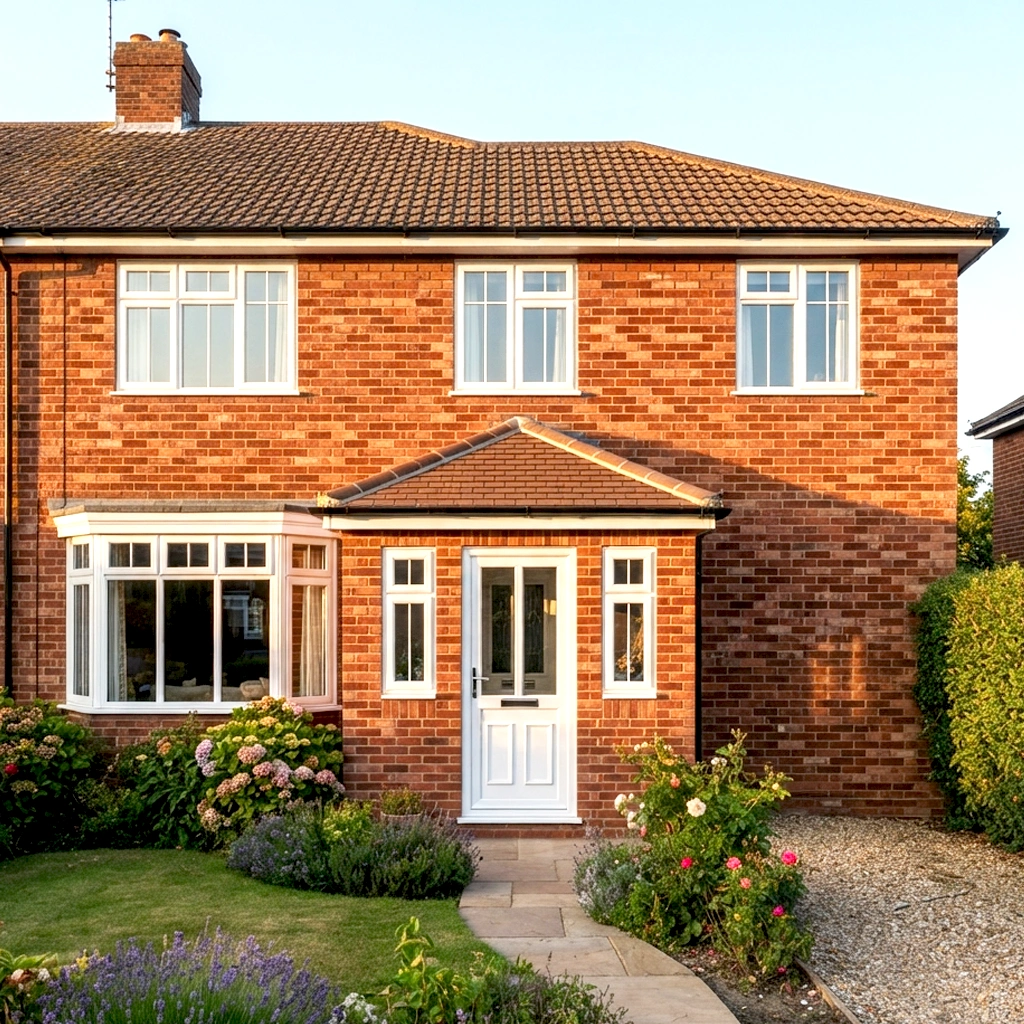
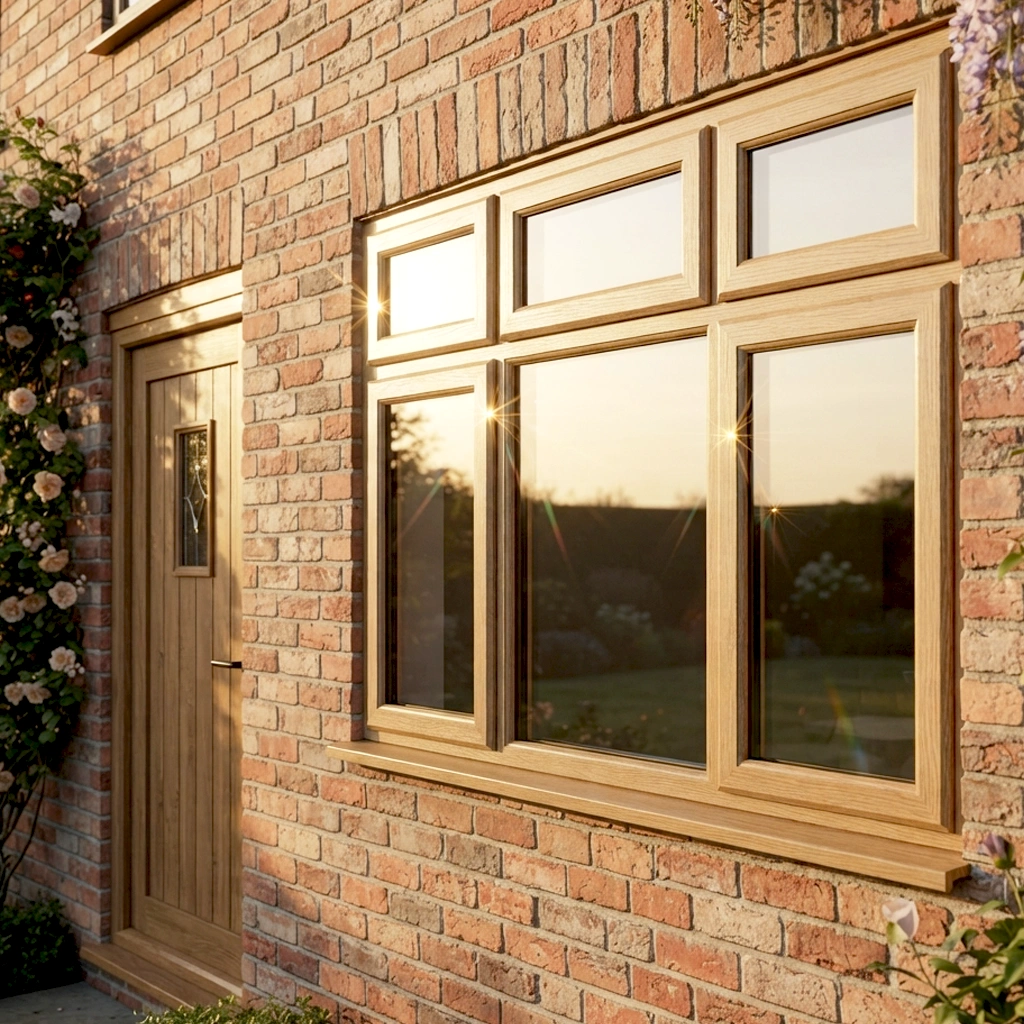
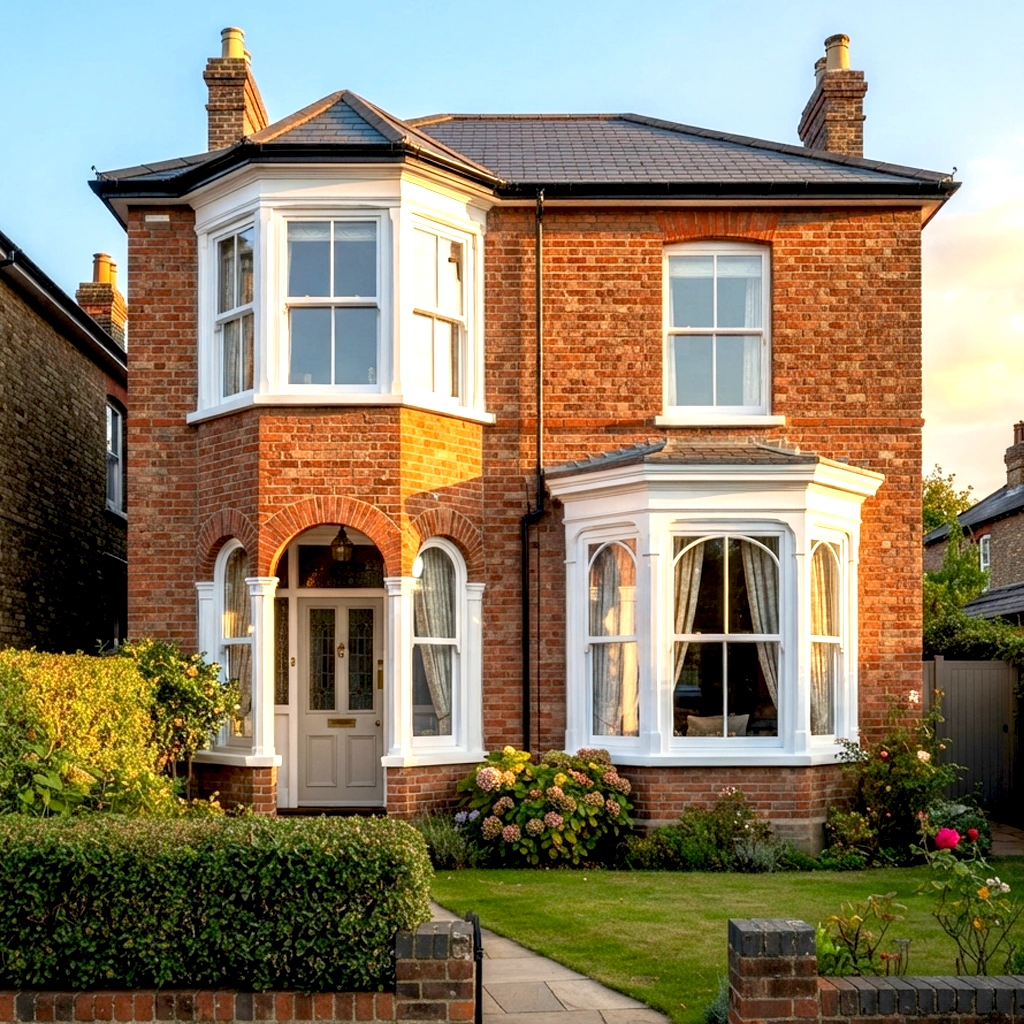
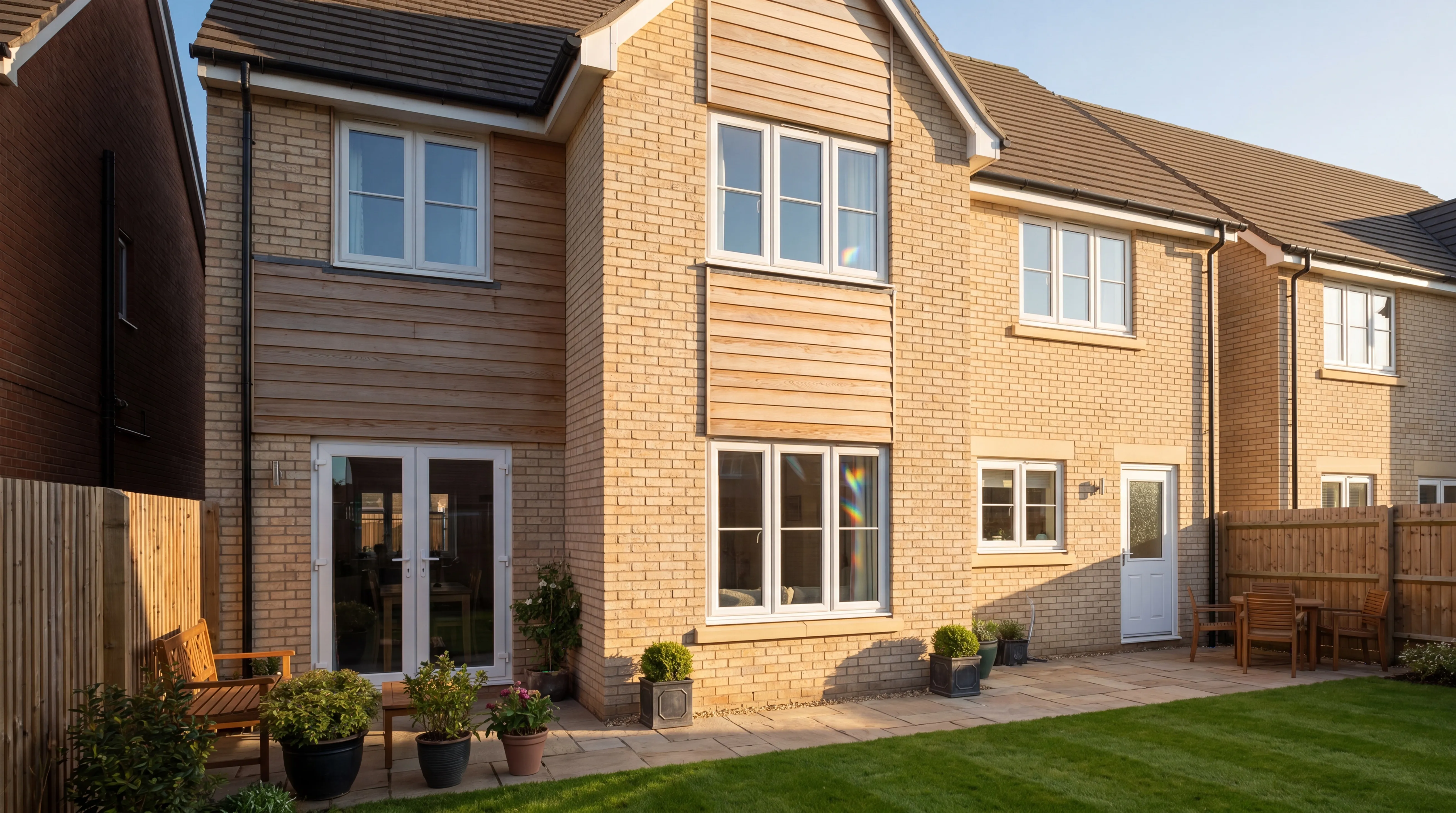
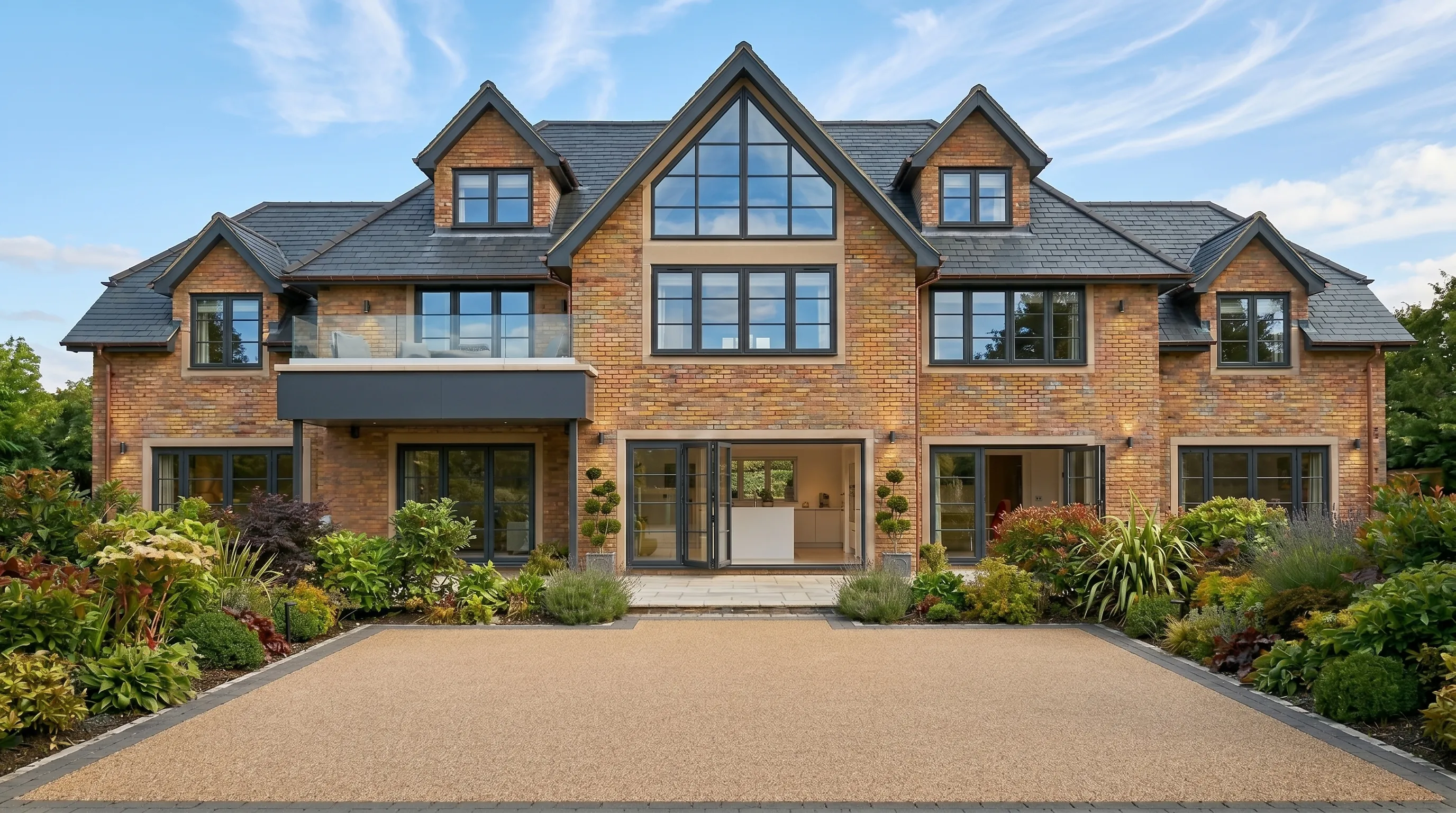
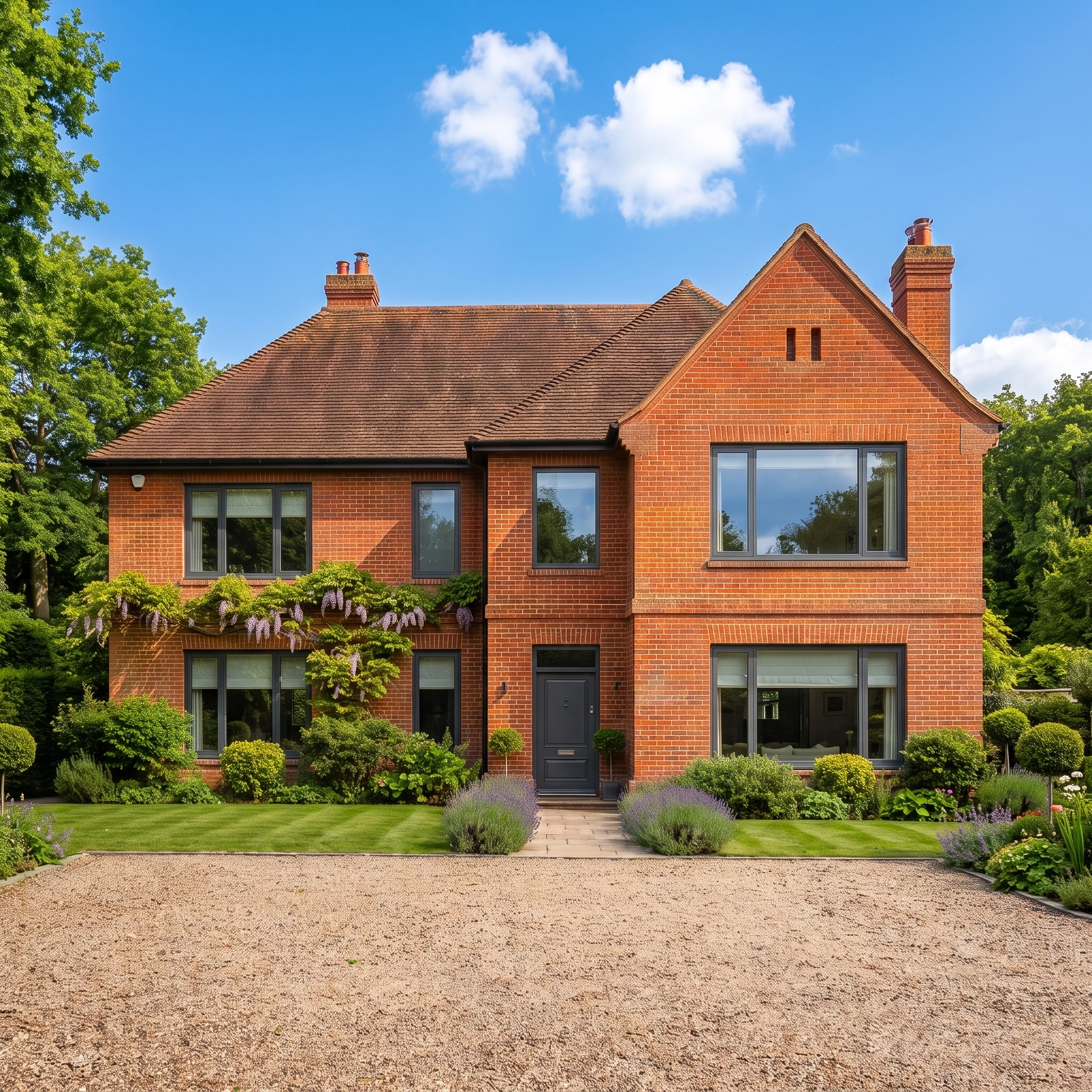
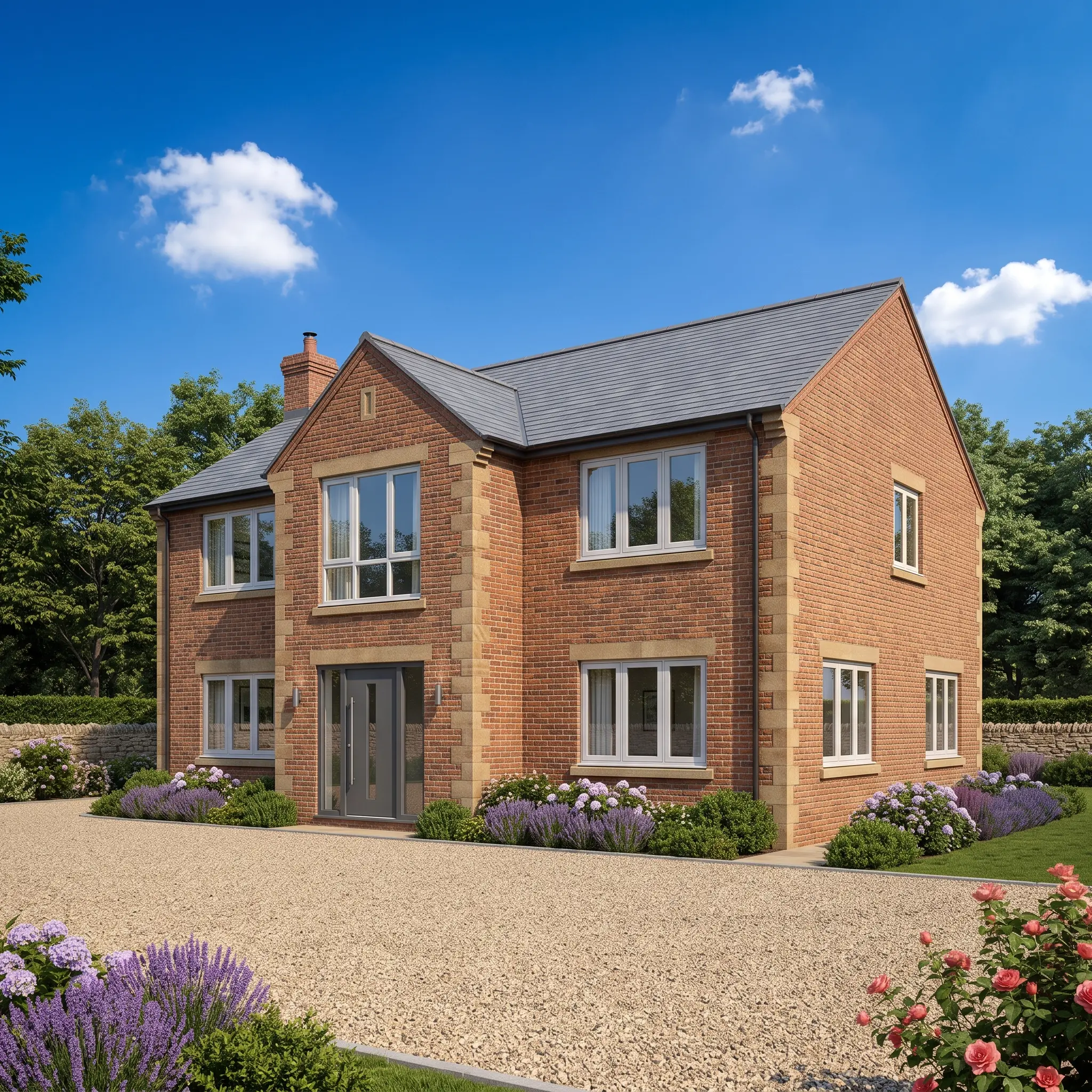
Most older replacement windows use a sash that stands proud of the outer frame, casting a shadow line and giving that slightly bulky, dated look. A flush casement is engineered so the opening sash sits perfectly level — flush — with the frame all the way around, inside and out. The result is a clean, square, joinery-style appearance that echoes the timber windows originally fitted to period British homes, without any of the rot, swelling, sticking or repainting that real timber demands. On a Victorian terrace, a 1930s semi or a Georgian townhouse it looks like it has always belonged there; on a contemporary new-build the slim, shadow-free lines read as crisp and architectural. It is the single detail that quietly tells passers-by your windows are a cut above, and it is the reason so many of our customers say the house looks more expensive the moment the scaffolding comes down.
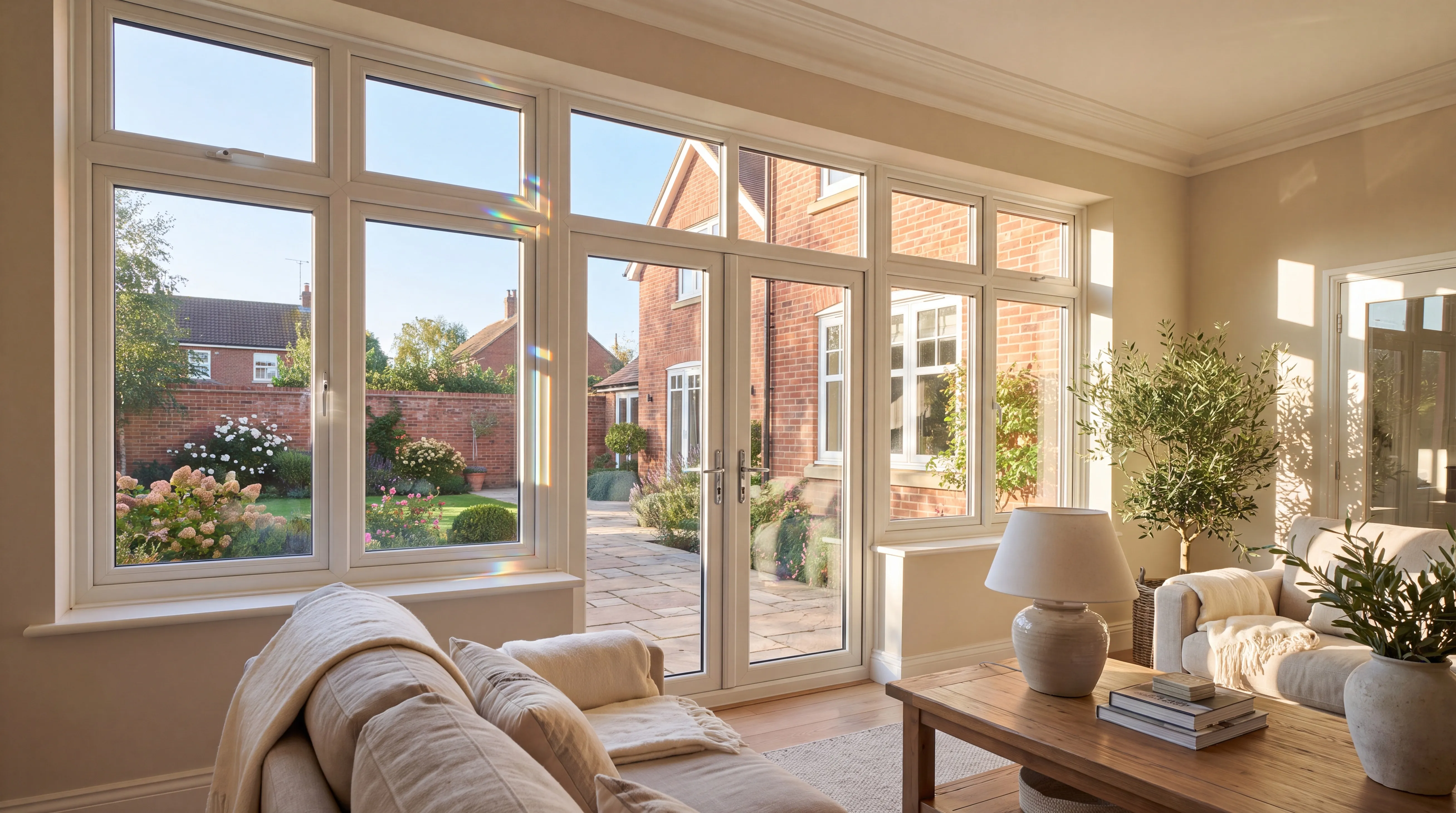
Because the flush look is achieved in the profile itself rather than bolted on, you keep it across every style in the range — fixed lights, top openers, side-hung casements, French casements and feature shapes — so a whole elevation reads as one considered, designed-together set. Mix opening and fixed panes however the room needs without breaking the line.
Windows and doors in the UK have a hard life: driving rain off the Atlantic, salt-laden coastal air, weeks of damp, then a few brutal cold snaps and the odd genuine heatwave. Everything in this range is specified for exactly that. Multi-chambered profiles and quality weather seals keep wind-driven rain and draughts out, the internally beaded glazing resists the wet far better than older external-bead systems, and the hardware is corrosion-resistant so it keeps working smoothly winter after winter. The uPVC will not rot, warp or need repainting, and a wipe with warm soapy water two or three times a year is genuinely all the maintenance it asks for. Aluminium options share the same weather-tight engineering with an even tougher, longer-life finish for exposed or coastal sites.
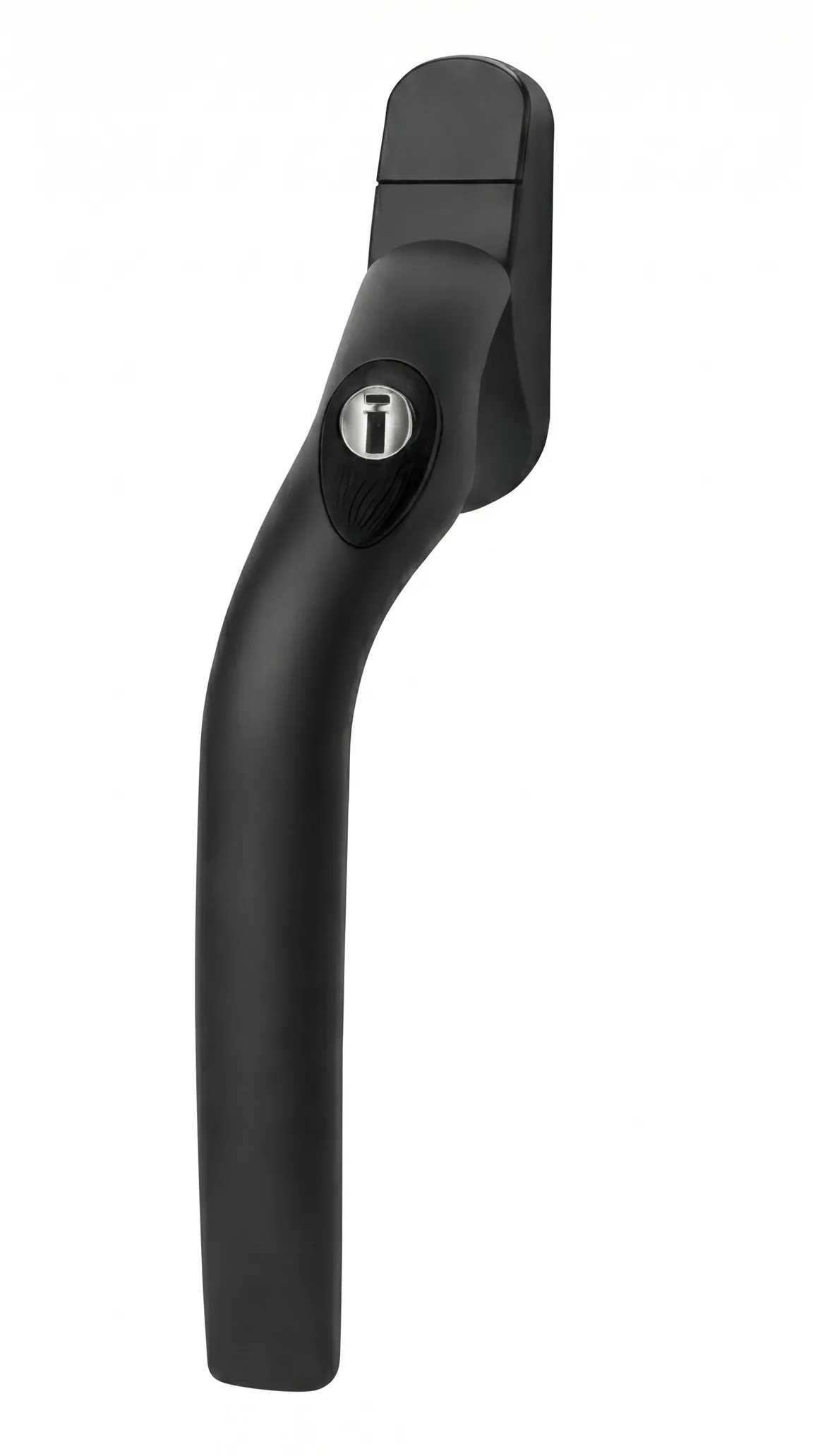
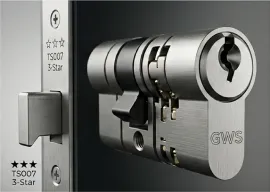
Every window and door is built around multi-point locking that engages at several points around the frame, not just a single central catch, so the whole sash is pulled tight and held fast. Glazing is internally beaded, meaning the glass cannot simply be levered out from the outside. Doors add anti-snap, anti-bump, anti-pick cylinders as standard and can be specified to PAS 24 — the enhanced security standard insurers and new-build warranties look for — and to Secured by Design, the official police-backed accreditation. For total peace of mind you can add keyless fingerprint entry to your front door, so there are no keys to lose, copy or hide under the mat. It is security you feel the first time you pull the door shut: solid, quiet and reassuringly heavy.
Heat escaping through old single glazing or worn-out double glazing is money leaving your home through the glass. The sealed units in this range, paired with thermally efficient frames, dramatically slow that heat loss — so rooms warm up faster, hold their temperature longer and feel comfortable right up to the glass instead of cold and draughty near the window. Most households notice the difference within the first cold week: less reliance on the heating, fewer cold spots, and an end to the condensation that used to run down the inside of tired old frames. Upgrade to triple glazing or acoustic glass and you also take the edge off outside noise — a real benefit on busier roads, near schools or under a flight path, where the drop in traffic and aircraft noise can be the thing customers comment on most.
Nothing here is off-the-shelf. Every window and door is manufactured to the exact millimetre measurements of your openings, so the fit is tight, square and clean with no unsightly packers or oversized trims to hide a gap. Our own experienced, directly employed installers fit the work — not a rotating cast of subcontractors — and they treat your home with respect: dust sheets down, old frames removed cleanly, openings made good, and everything left tidy at the end of each day. We supply to the trade and to homeowners, so whether you want supply-only for your own builder or a fully managed supply-and-fit service, you are dealing with people who do this every single day.
It is worth spelling this out, because it is the question that decides most projects. uPVC has the lower sticker price and, in the right colour and a flush profile, looks superb — it is the sensible, high-value choice for the majority of homes. Aluminium costs more at the outset but carries an even more premium look, with the very slimmest sightlines and the largest glass spans, and its finish is exceptionally hard-wearing. Where people get caught out is in treating that first price as the whole story. A quality installation is a fifteen-to-twenty-year-plus decision, and over that horizon the gap narrows: choose well once and you are not paying again. That is why we will happily price uPVC, aluminium and a hybrid mix side by side, so you can see the real lifetime numbers rather than guessing — and choose the route that genuinely fits your home and budget, not just the cheapest line on day one.
It suits the period-property owner who wants the authentic timber look without the upkeep; the family that wants warmer rooms and lower bills before winter; the design-led renovator chasing slim, contemporary sightlines; the landlord or developer who needs durable, low-maintenance, accredited products that pass warranty and building control; and the homeowner simply tired of frames that stick, leak, rattle or look tired. If any of that sounds like you, you are in the right place.
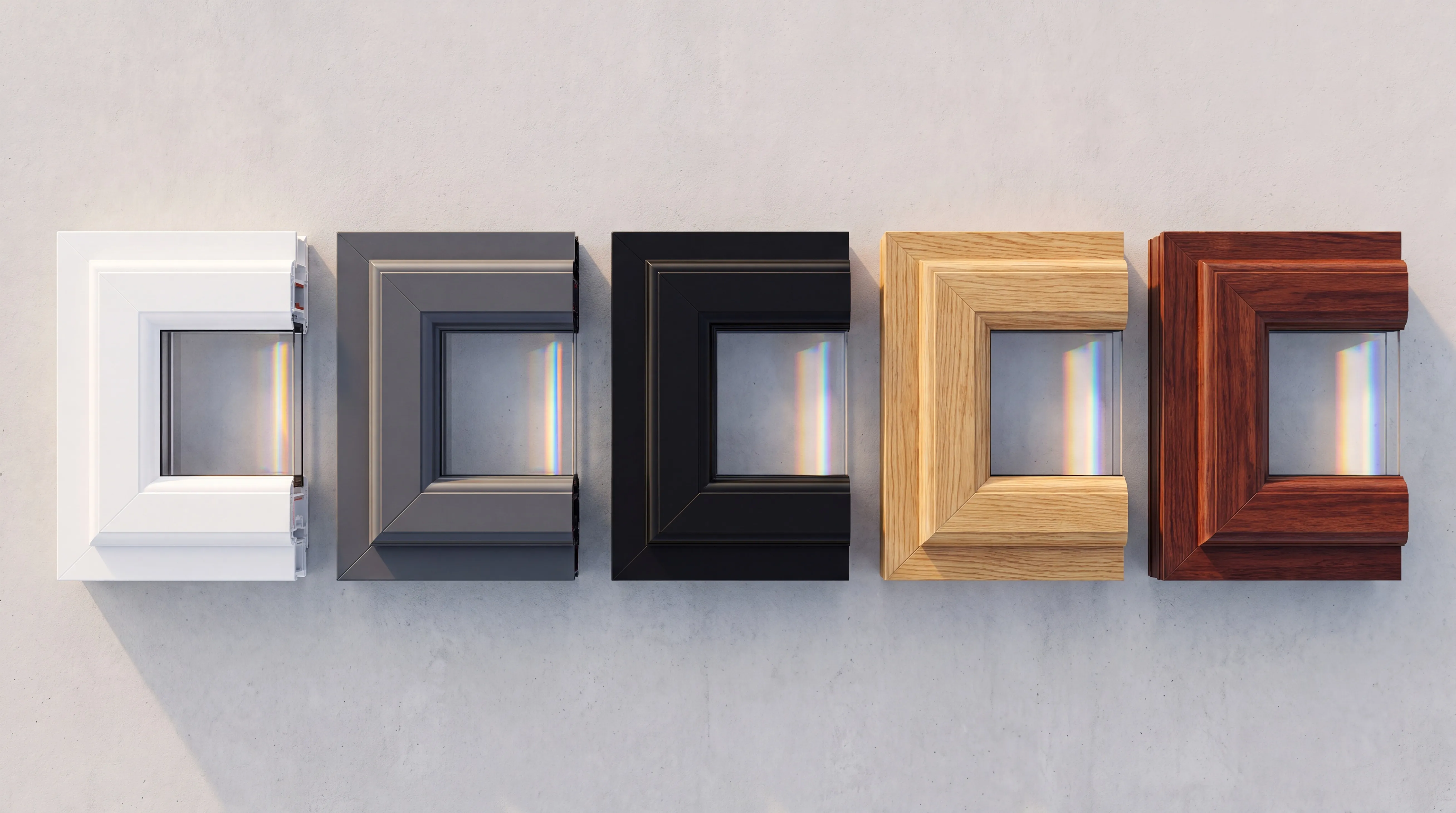
No. Both materials need nothing more than the occasional wipe-down, and both carry their own long-life guarantees, so there is no extra upkeep for mixing them.
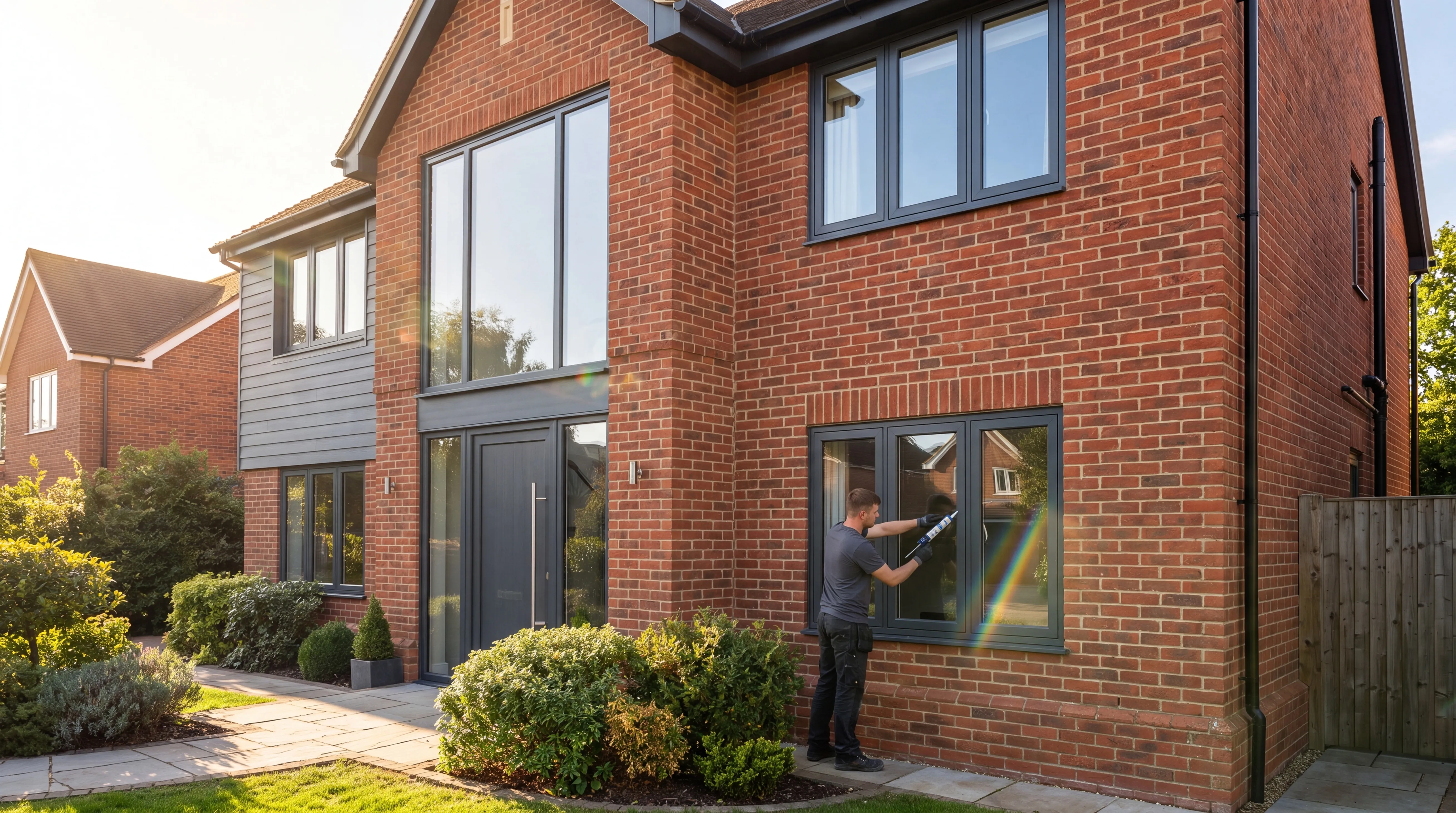
Far less than a replacement. There is no removal of frames, no making good and no large amounts of waste — careful masking protects your glass and brickwork, and the work is typically completed quickly and cleanly.
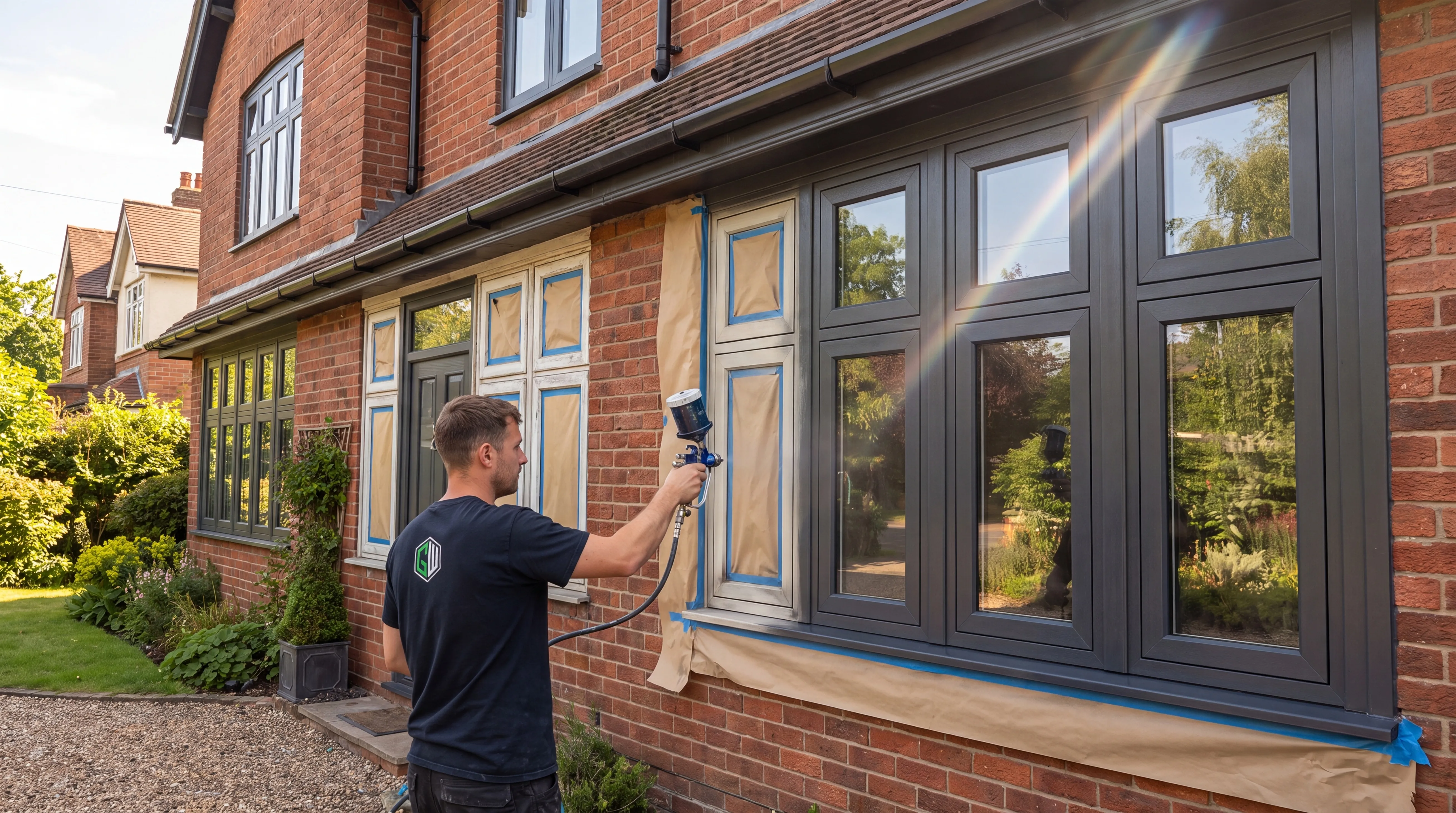
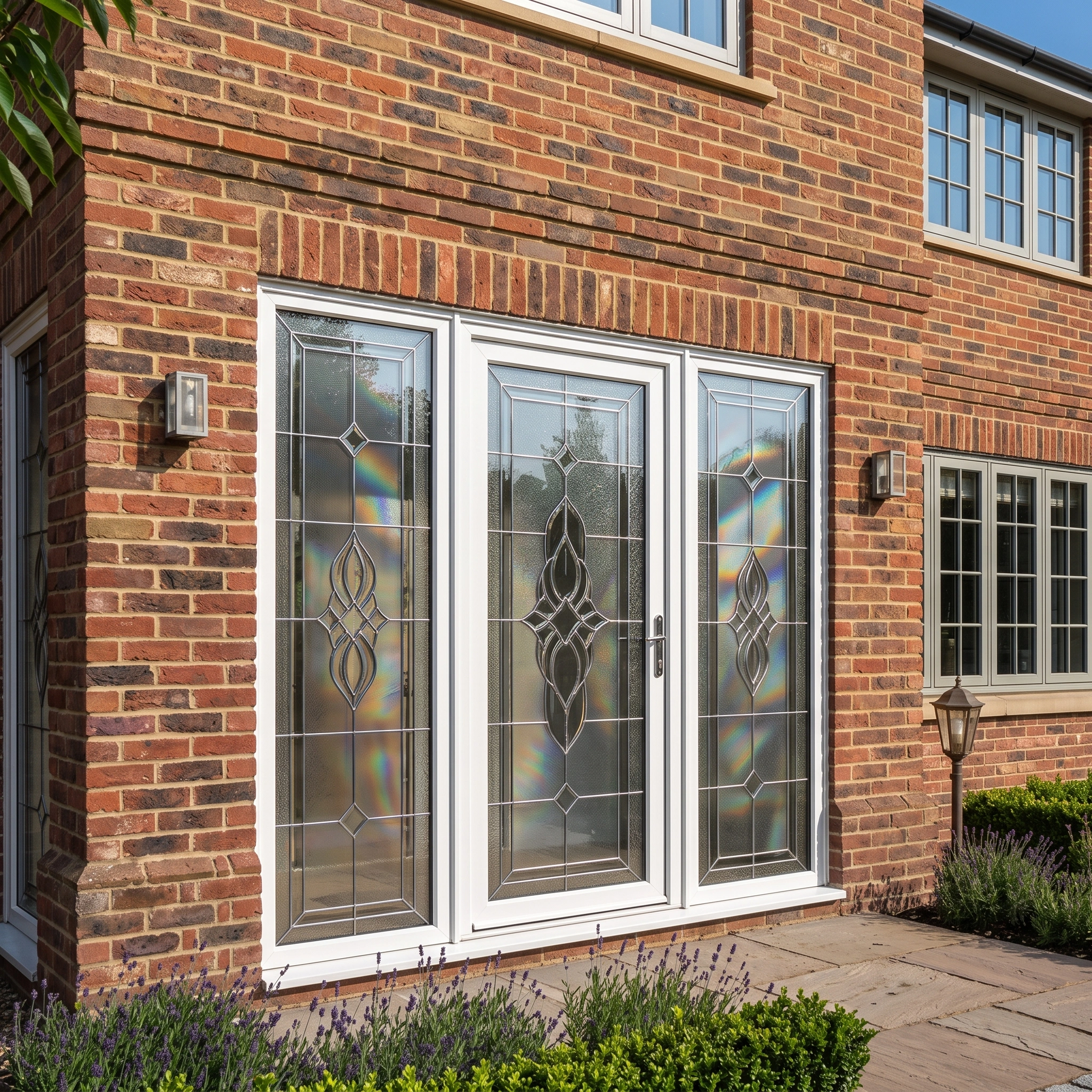
Are they A-rated for energy efficiency? Yes, energy-efficient glazing is standard, with triple-glazed upgrades available for the best performance. Will they reduce noise? Double glazing already helps noticeably, and acoustic or triple glazing makes a real difference on busy or exposed locations. Can I get them to match a conservation-area style? In many cases yes — flush profiles, Georgian bars, leaded designs and woodgrain colours all help recreate a traditional appearance; check any local requirements first.
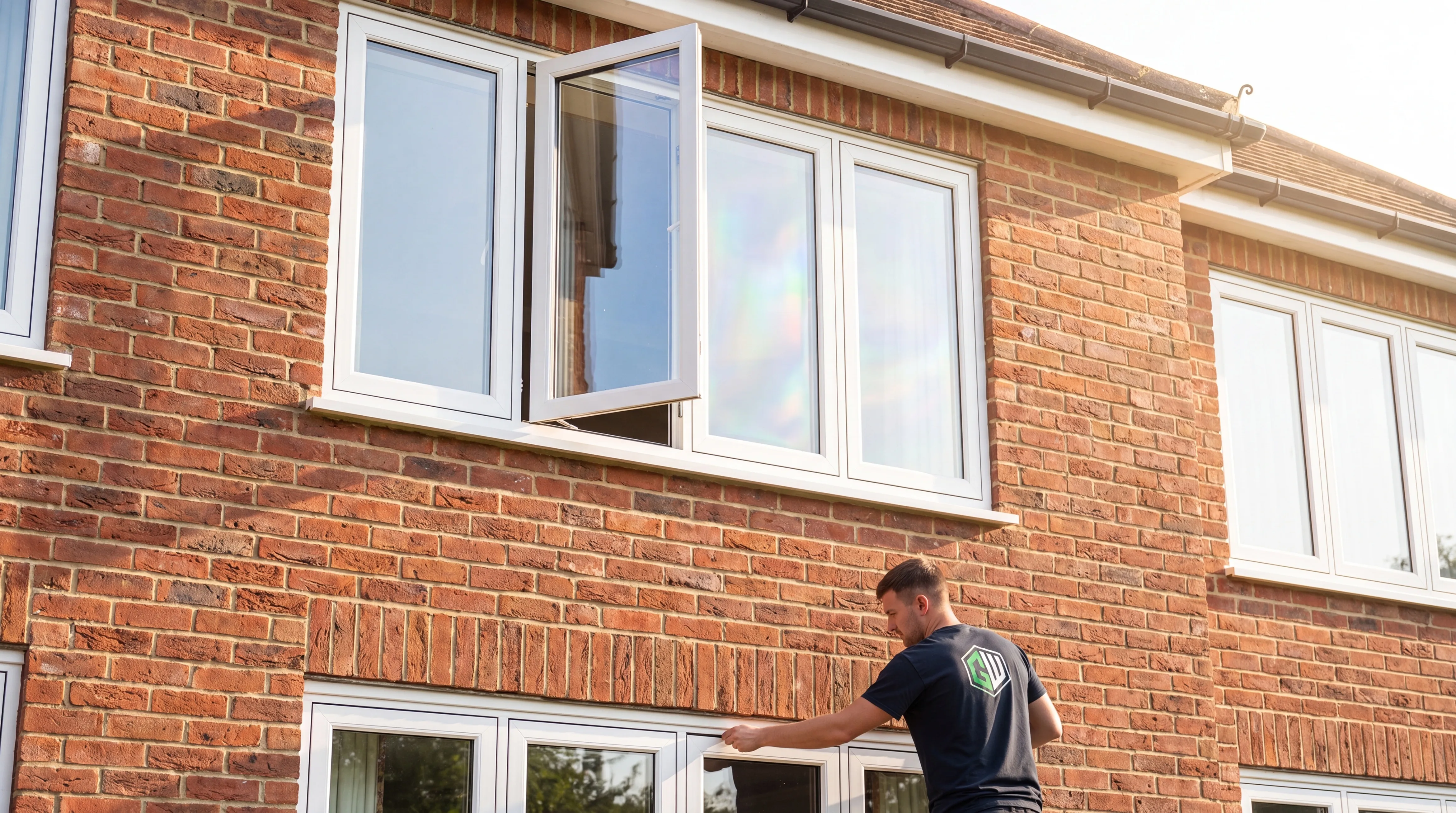
How secure are the doors? Multi-point locking and anti-snap cylinders are standard, with PAS 24 and Secured by Design specifications available for the highest level of accredited security. Is fingerprint entry reliable? Yes — modern biometric locks are quick and dependable, and you can still use a key or fob as a backup. Can a uPVC door really look high-end? Absolutely; with the right panel, glass and a rich colour such as anthracite or mahogany, a uPVC front door looks every bit the part for a fraction of a composite or timber price.
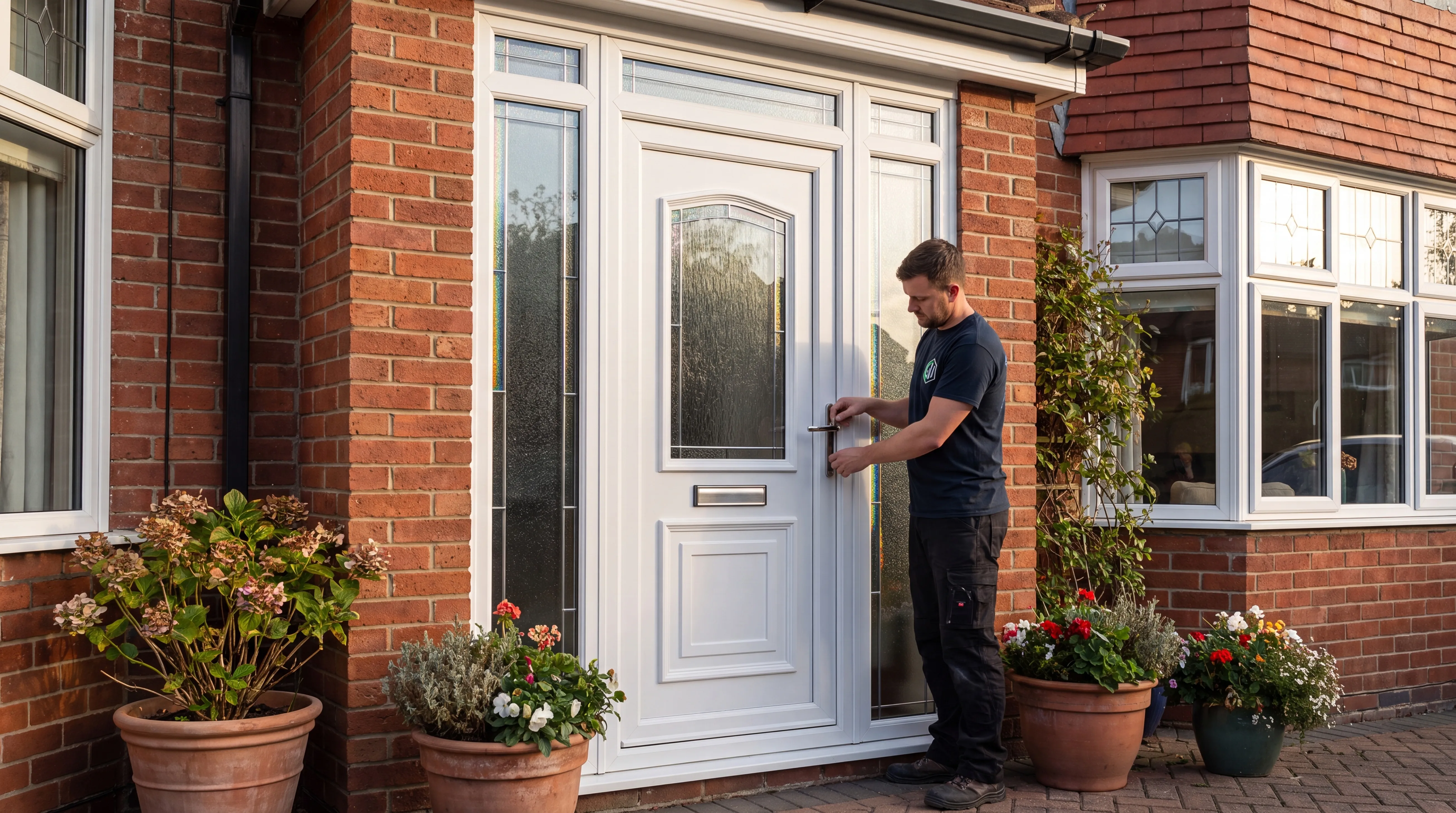
Can you replace just the roof and keep my existing conservatory? In most cases yes — a warm replacement roof on a sound existing base and frames is one of the most cost-effective upgrades we do. Will a new roof make the room usable in winter? That is exactly its job: far better heat retention means a comfortable room across the seasons. Do conservatories need planning permission? Many fall under permitted development, but it depends on size and your property, so we will flag anything to check before you commit.
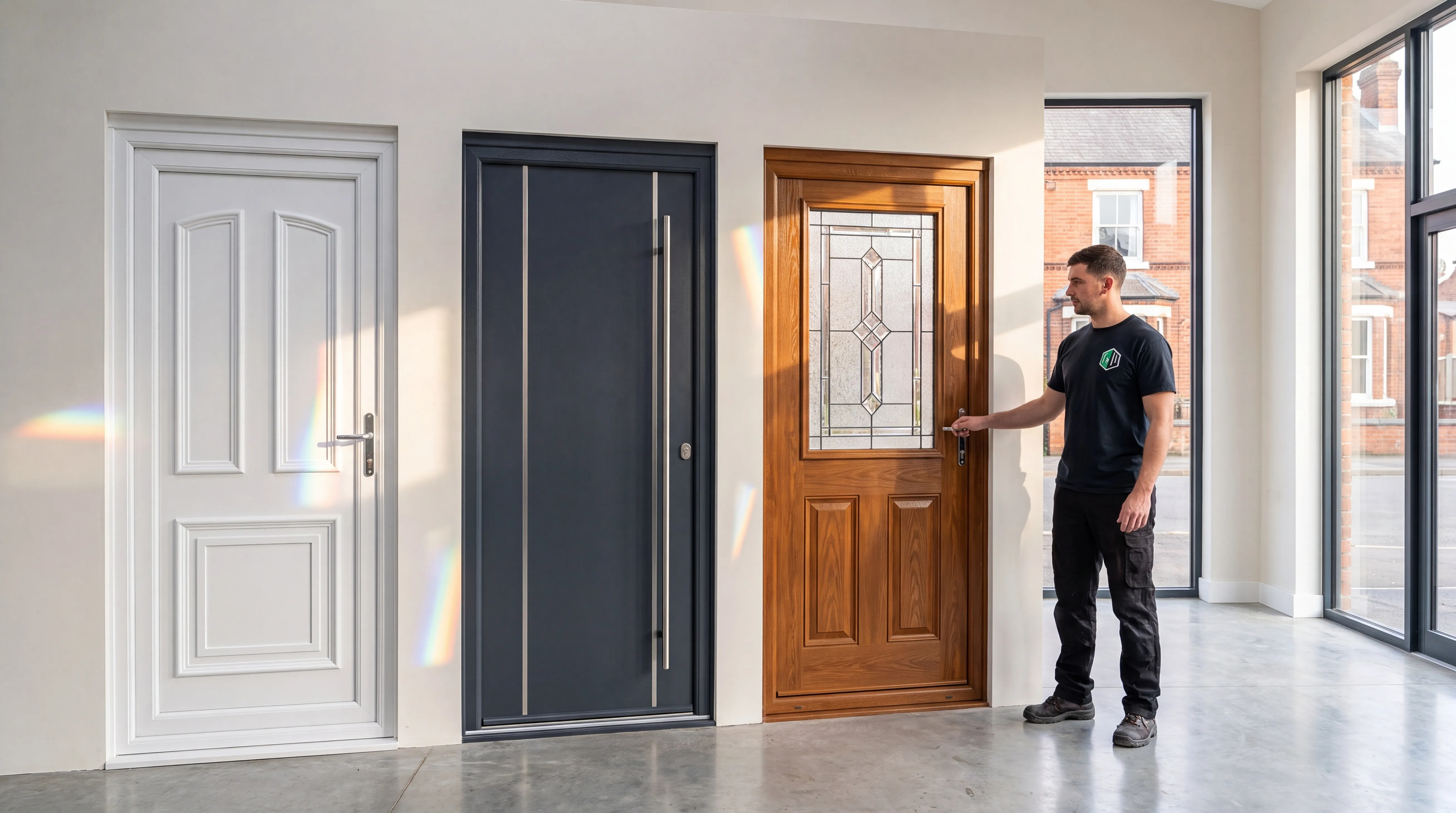
Panel designs shown on the page are for illustration — exact detailing varies by style.Refreshing the look of an existing door can be as simple as swapping the panel into your current frame and sash — ask us on your free quote.








Add Glazed Windows to your home screen for the best experience.